
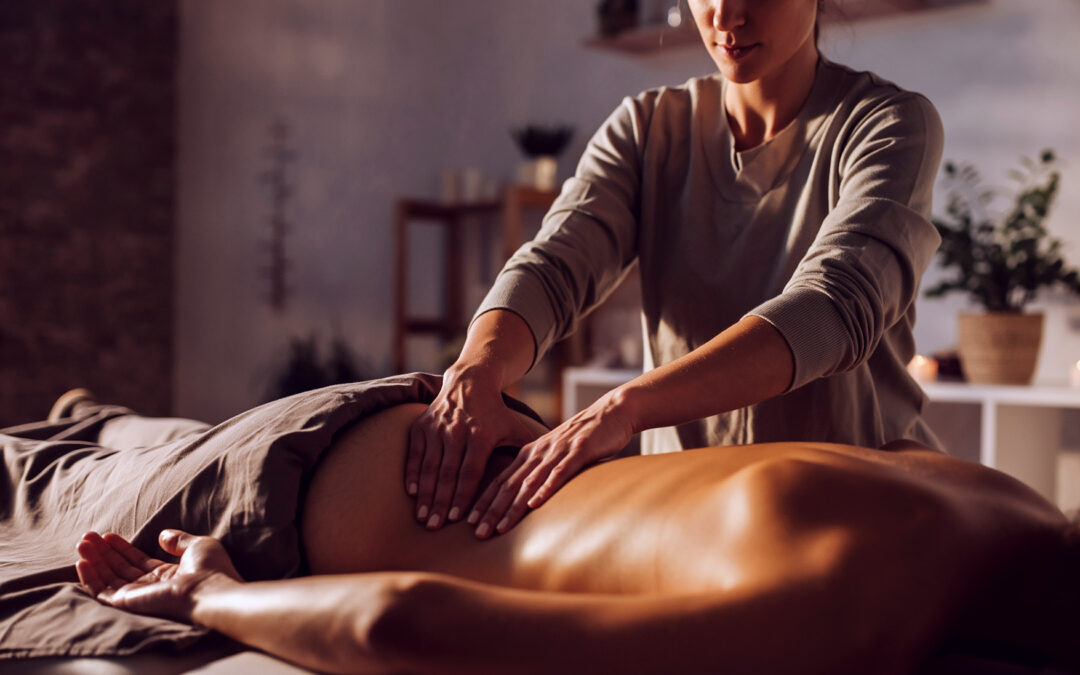
If you have ever experienced chronic muscle tension, poor posture, or persistent pain that traditional massage cannot seem to fix, you may have heard the term Rolfing therapy. Often referred to as Structural Integration, Rolfing is a hands-on approach that goes beyond relaxation, it aims to realign the body’s structure for better balance, movement, and overall well-being.
Understanding Rolfing Therapy
Rolfing was developed by Dr. Ida P. Rolf in the mid-20th century. Her groundbreaking work focused on the relationship between gravity and the human body. Dr. Rolf believed that when the body’s structure is properly aligned within the gravitational field, it functions more efficiently and feels better.
Rolfing is not a massage, it is a systematic process that works with the body’s connective tissue, known as fascia. Over time, stress, injuries, and poor posture can cause fascia to tighten and shorten, pulling the body out of alignment. Rolfing practitioners use slow, deep manual techniques to release and reorganize these tissues, allowing the body to return to a more natural balance.
The Ten-Series Approach
Rolfing therapy is typically offered as a Ten-Session Series, each with its own focus and purpose.
- Sessions 1–3 address surface layers, improving breathing and loosening restrictions.
- Sessions 4–7 focus on deeper structures, such as the legs, pelvis, and spine.
- Sessions 8–10 integrate the work, helping the body maintain alignment and coordination.
This methodical approach ensures that changes occur progressively and holistically, promoting lasting results rather than quick fixes.
What to Expect During a Session
A typical Rolfing session lasts about 60 to 75 minutes. The practitioner will observe your posture, movement, and body alignment before beginning hands-on work. You may be asked to stand, sit, or move in specific ways during the session as the Rolfer works to restore balance.
While some moments may feel intense, most clients describe the experience as deeply relieving. Many report improved posture, increased flexibility, reduced pain, and a greater sense of body awareness after completing the Ten-Series.
Who Can Benefit from Rolfing?
Rolfing therapy can benefit a wide range of people, from athletes and dancers to those recovering from injuries or dealing with chronic pain. It is also effective for anyone who spends long hours sitting or experiences stress-related tension. Benefits may include:
- Improved posture and alignment.
- Relief from chronic pain and stiffness.
- Enhanced athletic performance.
- Better balance and coordination.
- Increased energy and body awareness.
Rolfing therapy is more than a bodywork technique; it is a journey toward physical harmony and self-awareness. By releasing restrictions in the fascia and realigning the body within gravity, Rolfing can help you move through life with greater ease and confidence. Whether you are seeking pain relief, improved mobility, or a deeper connection to your body, Rolfing offers a holistic path to lasting change.
Recent Comments