
You stretch, take breaks from your desk, and try to move more throughout the day, yet your body still feels stiff. Muscles may be part of the picture, but they are not the only tissues involved in movement. Fascia, the connective tissue found throughout the body, also plays an important role in how we move and experience physical tension.
Rolfing® Structural Integration takes a whole-body approach to this system. Understanding what fascia does, and what research can and cannot tell us about hands-on bodywork, makes it easier to see where Rolfing fits into a personal wellness routine.
What Is Fascia?
Fascia is connective tissue that surrounds, supports, and connects muscles and many other structures. Rather than imagining it as a single tight wrapping, think of it as layers and networks of tissue that help different parts of the body work together. Some layers are more flexible, while others are built to transmit force and provide support.
Fascia is involved in movement, and some fascial tissues contain sensory nerves. Changes in activity, injury, or prolonged periods in the same position can influence how comfortable or restricted movement feels. That does not mean every ache comes from “stuck fascia,” but it helps explain why focusing on a single sore muscle may not tell the whole story.
How Does Rolfing Work with Fascia?
Rolfing uses deliberate, hands-on pressure together with movement exploration and body awareness. A practitioner looks at how different areas of the body relate to one another, rather than treating each uncomfortable spot as an isolated problem.
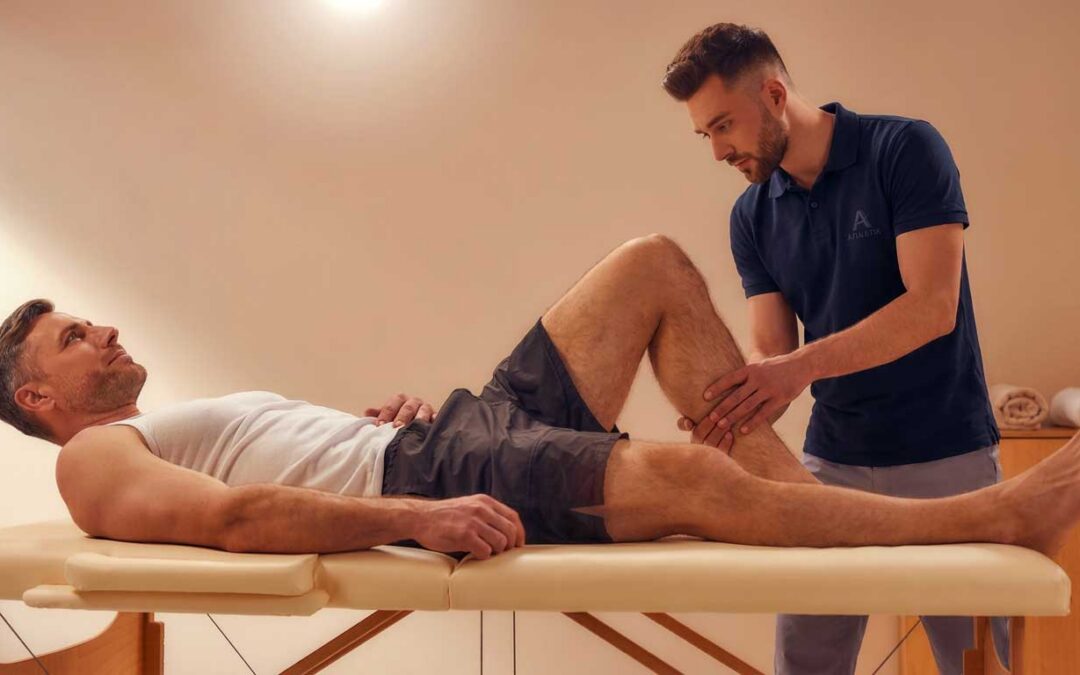
Consider someone who notices stiffness around the hips after long hours of sitting. A Rolfing session might explore how the person stands, walks, and shifts weight, while also working with tissues in the hips and surrounding areas. The purpose is to encourage greater ease and awareness of movement - not to promise that one area of tissue can be permanently “released” in a single session.
A central idea in Rolfing is helping people recognize their habitual patterns of posture and movement. The hands-on component and the client’s active participation are both part of that process.
What Does the Science Say?
Fascia is not merely passive packing material. A published systematic review of fascial innervation identified sensory nerve structures in the fascial tissues examined, supporting the view that fascia may contribute to sensations related to movement and pain. Researchers are still investigating the exact roles of different fascial layers and how manual therapies influence them.
For readers interested in the underlying anatomy, see the systematic review of fascial innervation and a research review on fascia, mobility, and proprioception.
Hands-on pressure and guided movement may affect a person’s sensory experience and awareness of movement. However, those plausible mechanisms should not be confused with proof that Rolfing permanently reshapes fascia or treats a particular medical condition. Research specific to Rolfing remains limited, and individual experiences vary.
Why Movement Awareness Matters
What happens between sessions can be just as meaningful to the Rolfing approach as the time spent on the treatment table. Noticing how you sit at a computer, distribute weight while standing, or move through a familiar activity can help you recognize patterns you usually overlook.
This does not require perfect posture. The goal is to develop more options for comfortable movement and a better sense of how your body responds to everyday demands. For some people, that may mean becoming more aware of unnecessary effort during walking, reaching, or exercise.
A Whole-Body Approach, with Realistic Expectations
One reason people explore Rolfing is its attention to the relationships among body regions. A change in how someone moves their hips, for example, may alter how they experience movement through the back or shoulders. This interconnected perspective is a defining feature of Structural Integration.
Rolfing may be a complementary option for people interested in body awareness, posture, and mobility, but it is not a substitute for medical evaluation or evidence-based treatment when symptoms warrant them. Persistent or worsening pain, numbness, or unexplained weakness should be assessed by an appropriate healthcare professional.
Exploring Rolfing with Bob Alonzi
Fascia helps support movement and carries sensory information, but the science of how manual therapies affect it is still developing. Rolfing brings together hands-on work and movement awareness with the aim of helping people explore how their bodies function as a whole.
If you are curious about Rolfing Structural Integration in the Los Angeles area, visit Bob Alonzi’s website to learn more about his approach and how to get in touch.
Recent Comments