
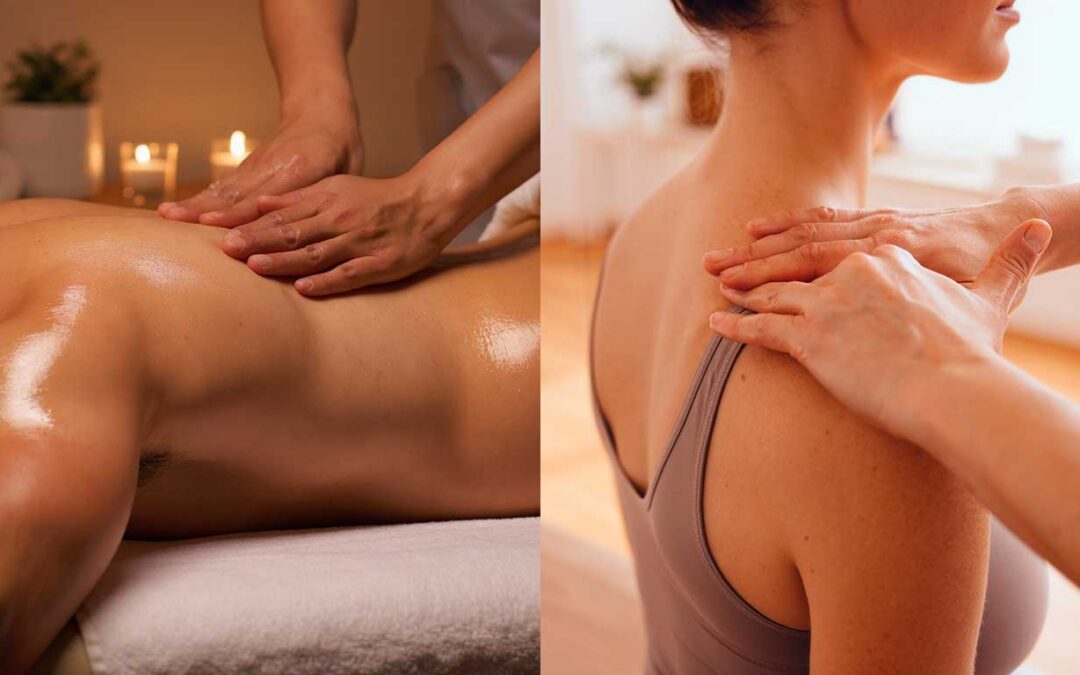
Many people dealing with chronic pain, muscle tension, or limited mobility assume that massage therapy and Rolfing® Structural Integration are essentially the same. While both involve hands-on bodywork and aim to improve physical comfort, they differ significantly in their purpose, techniques, and long-term goals. Understanding these differences can help you choose the best option for your health and wellness needs.
What Is Massage Therapy?
Massage therapy focuses primarily on manipulating muscles and soft tissues to relieve tension, reduce stress, improve circulation, and promote relaxation. Depending on the type of massage, techniques may include kneading, stretching, compression, or rhythmic strokes.
Many people seek massage therapy to address:
- Muscle soreness after exercise
- Stress and anxiety
- Headaches caused by muscle tension
- Temporary pain relief
- Improved circulation
Massage often provides immediate relief and a sense of relaxation. While the benefits can last for days or even weeks, recurring tension often requires regular maintenance sessions.
What Is Rolfing Structural Integration?
Rolfing Structural Integration takes a broader approach by focusing on the body's connective tissue, known as fascia. Rather than simply treating sore muscles, Rolfing seeks to improve the body's overall alignment and balance within gravity.
A certified Rolfer uses slow, deliberate pressure and movement education to release restrictions in the fascia while helping clients develop healthier movement patterns. Rolfing is commonly used to address:
- Chronic neck and back pain
- Poor posture
- Joint stiffness
- Limited mobility
- Repetitive strain injuries
- Long-term movement dysfunction
Instead of offering temporary symptom relief, Rolfing aims to create lasting structural improvements that support better function throughout the entire body.
Key Differences Between Massage and Rolfing
Although both therapies involve manual techniques, their objectives differ considerably.
Treatment Focus - Massage primarily targets muscles and soft tissues to relieve tension and discomfort. Rolfing focuses on the fascia and the body's structural alignment.
Treatment Goals - Massage emphasizes relaxation, stress reduction, and short-term pain relief. Rolfing works to improve posture, body mechanics, and movement efficiency while reducing the underlying causes of chronic discomfort.
Session Experience - Massage sessions are typically designed for comfort and relaxation. Rolfing sessions can be more interactive, with clients often standing, walking, or moving during treatment so the practitioner can evaluate changes in posture and movement.
Long-Term Results - Massage is frequently incorporated into an ongoing wellness routine with regular appointments. Rolfing often follows a structured series of sessions, commonly known as the Ten Series, designed to produce progressive and lasting changes throughout the body.
Benefits of Massage Therapy
Massage remains one of the most popular wellness treatments because it offers numerous physical and mental health benefits. Regular massage may help:
- Reduce everyday stress
- Ease muscle soreness
- Improve flexibility
- Promote better sleep
- Enhance circulation
- Speed recovery after physical activity
For individuals seeking relaxation or temporary relief from muscle tension, massage can be an excellent choice.
Benefits of Rolfing
Rolfing offers benefits that often extend beyond pain management by improving how the body functions as a whole. Clients frequently report:
- Improved posture
- Greater range of motion
- Better balance and coordination
- Reduced chronic pain
- Increased energy
- More efficient movement during daily activities and sports
Because Rolfing addresses the body's structural relationships, many clients notice that improvements continue long after their sessions are complete.
The Bottom Line
Massage therapy and Rolfing both provide valuable health benefits, but they serve different purposes. Massage excels at relieving muscle tension and promoting relaxation, while Rolfing focuses on improving whole-body alignment and movement patterns for lasting results.
If your goal is not just to feel better today but to move better for years to come, exploring Rolfing Structural Integration could be a worthwhile investment in your long-term health and well-being.
If you are searching for a Rolfer in Van Nuys, Bob Alonzi stands out from the rest. You can contact Bob at https://bobalonzi-advanced-rolfer.com/ or call 310-451-3250.
Recent Comments