
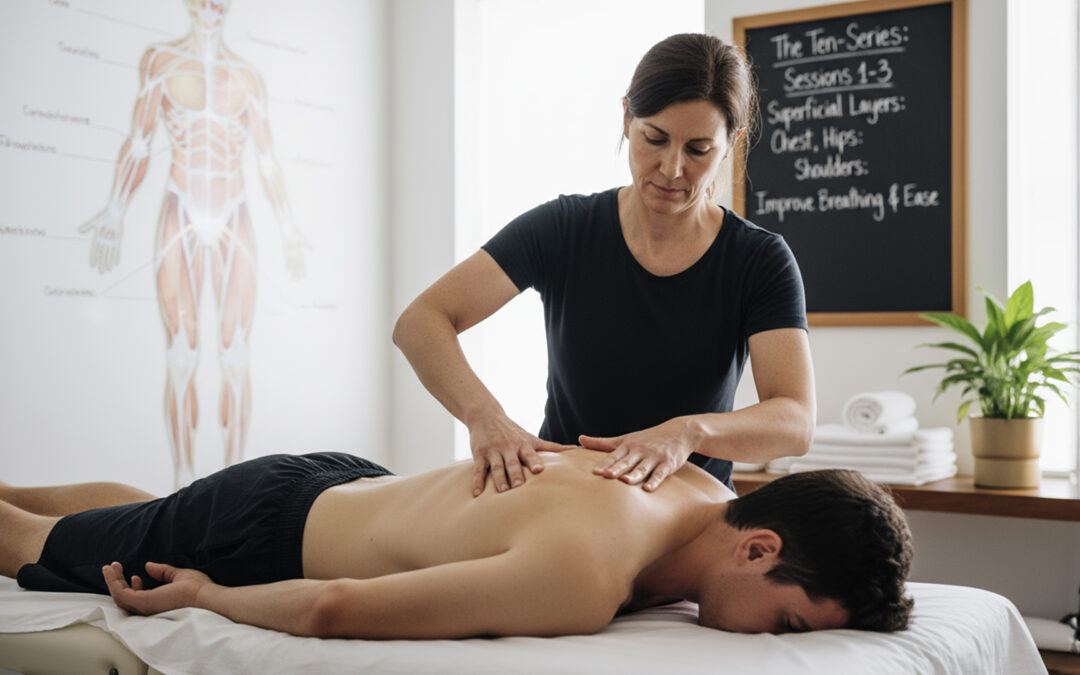
If you have ever felt like your body is not aligned properly, your posture is off, your shoulders are tense, or you are carrying stress in places you did not even know existed? Rolfing may be the solution you are looking for. But what exactly is Rolfing, and what happens during a session?
What Is Rolfing?
Rolfing, also known as Rolfing Structural Integration, is a form of bodywork developed by biochemist Dr. Ida Rolf. It focuses on realigning and balancing the body through deep manipulation of the connective tissue, or fascia. Unlike massage therapy, which tends to be more general and focused on relaxation, Rolfing aims to improve posture and movement patterns, often with lasting results.
People turn to Rolfing for a variety of reasons. The most common benefits include:
- Improved posture
- Reduced chronic pain
- Enhanced athletic performance
- Greater body awareness
- Emotional release and stress reduction
What to Expect in Your First Rolfing Session
If you are new to Rolfing, it is natural to feel curious or even a little apprehensive about what your first session will involve. Here is what typically happens:
1. Initial Consultation and Assessment
The session will begin with a conversation. Your certified Rolfing professional will ask about your health history, physical concerns, and goals for the session or series. Then, you will likely be asked to stand and walk so the practitioner can observe your posture and gait.
2. Hands-On Bodywork
You will either lie on a massage table or be asked to sit or stand, depending on the area being worked. The practitioner will use slow, sustained pressure to release restrictions in the fascia. This can feel intense especially in areas where you are holding a lot of tension but it should not be painful. Rolfing is not a one-size-fits-all technique. Your practitioner will adjust pressure and focus based on your body’s responses.
3. Movement and Awareness Cues
In addition to manual work, your Rolfer may guide you through small movements to retrain your body’s patterns. They might suggest ways to sit, stand, or move more
efficiently in daily life.
4. Post-Session Check-In
After the hands-on portion, you may revisit the initial standing and walking assessment to observe changes. Many people report feeling “lighter,” more grounded, or more connected to their bodies.
How to Prepare for Your First Session
- Wear comfortable underwear or athletic-style clothing. You will remain clothed but should wear something that allows access to the body (e.g., shorts and a sports bra or tank top).
- Hydrate well before and after the session.
- Come with an open mind. Rolfing can bring up physical and emotional sensations, so it helps to approach it with curiosity and trust.
Your first Rolfing session is the beginning of a journey toward greater ease and alignment in your body. While the work can be intense, many find it deeply transformative physically and emotionally. Whether you try one session or commit to the traditional 10-series, Rolfing has the potential to shift how you move, feel, and live in your body.
If you live or work in Southern California, consult with Bob Alonzi, a full-time Certified Advanced Rolfer in Van Nuys, California. He works every day with athletes, dancers, and the physically active, as well as individuals needing help to improve posture and alignment.
Visit: https://bobalonzi-advanced-rolfer.com/
Call: 310-451-3250 to schedule.
Recent Comments